LOADING...

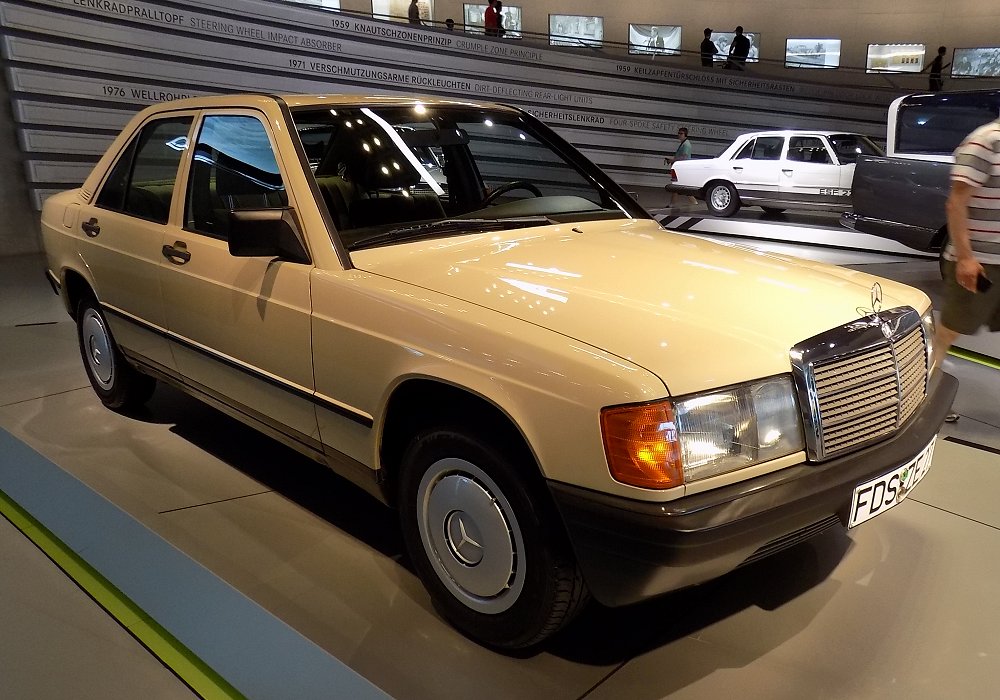
Mercedes-Benz 190 E

Mercedes-Benz 190 E

The Mercedes-Benz 190 E was the fuel-injected petrol variant of the W201 series and represented the refined, executive side of the “Baby Benz” concept. Introduced shortly after the launch of the Mercedes-Benz 190 in the early 1980s, the 190 E
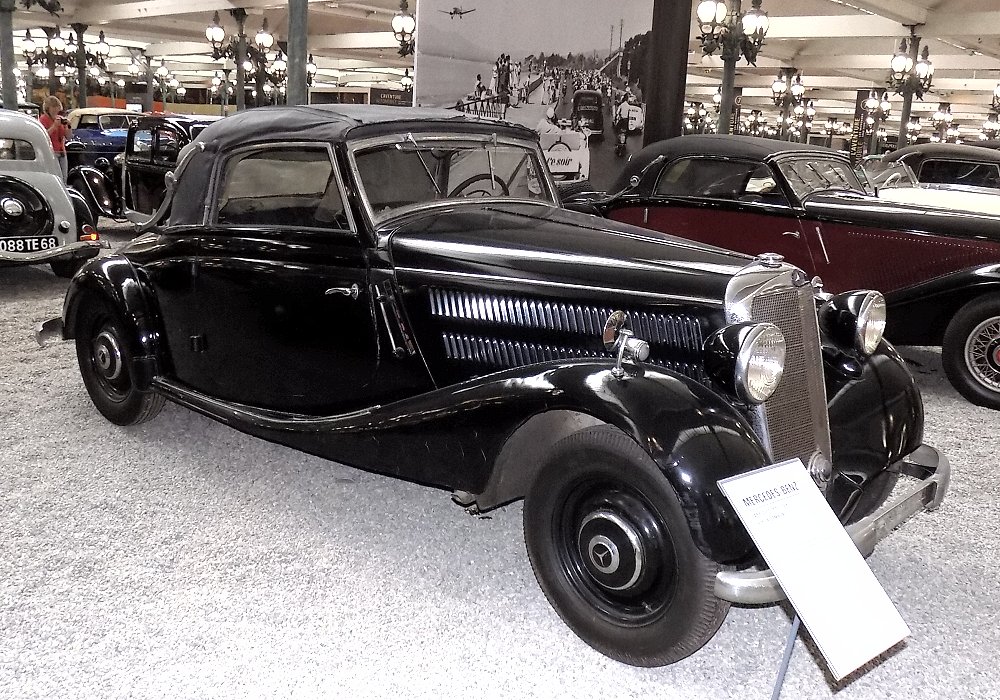
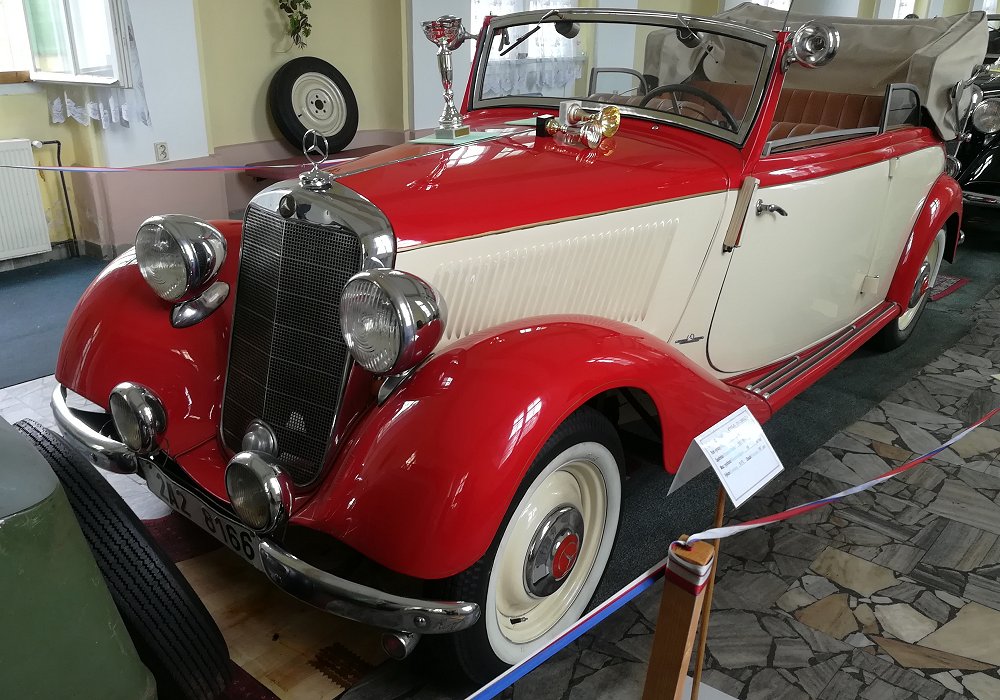
Mercedes-Benz 170 V Cabriolet A

Mercedes-Benz 170 V Cabriolet A

The Mercedes-Benz 170 V Cabriolet A was the most elegant and exclusive open two-seat version of the 170 V range, combining the solid engineering and reliability of Mercedes’ most important pre-war model with a beautifully crafted body aimed at private
Mercedes-Benz 170 V Cabriolet B

Mercedes-Benz 170 V Cabriolet B

The Mercedes-Benz 170 V Cabriolet B was the more spacious and versatile open-top alternative within the 170 V family, positioned between the practical Cabrio-Limousine and the elegant two-seat Cabriolet A. Introduced in 1936, it offered four-seat touring capability with the
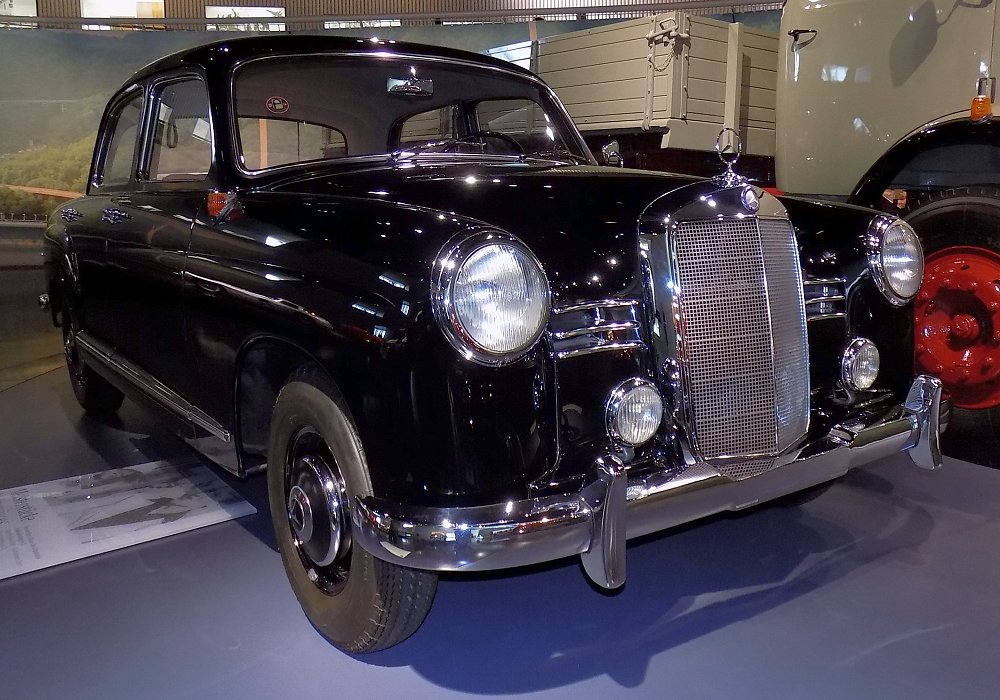
Mercedes-Benz 180

Mercedes-Benz 180

The Mercedes-Benz 180 was a landmark model for Mercedes-Benz and one of the most important cars in the company’s post-war history. Introduced in 1953 under the internal designation W120, it was the first Mercedes-Benz passenger car to feature unitary body
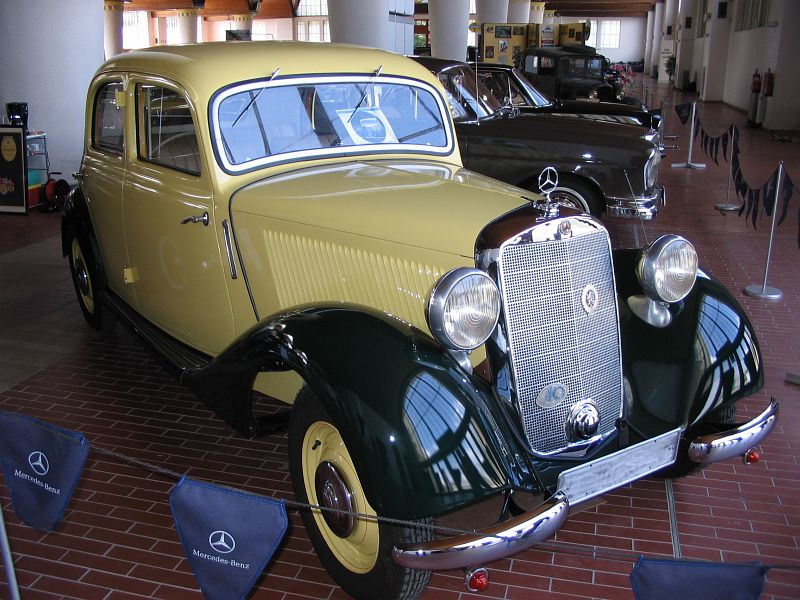
Mercedes-Benz 170 V

Mercedes-Benz 170 V

The Mercedes-Benz 170 V, introduced in 1936, became one of the most important and successful models in the company’s pre-war and post-war history. It replaced the earlier 170 and represented a complete redesign, establishing a new technical foundation for Mercedes’
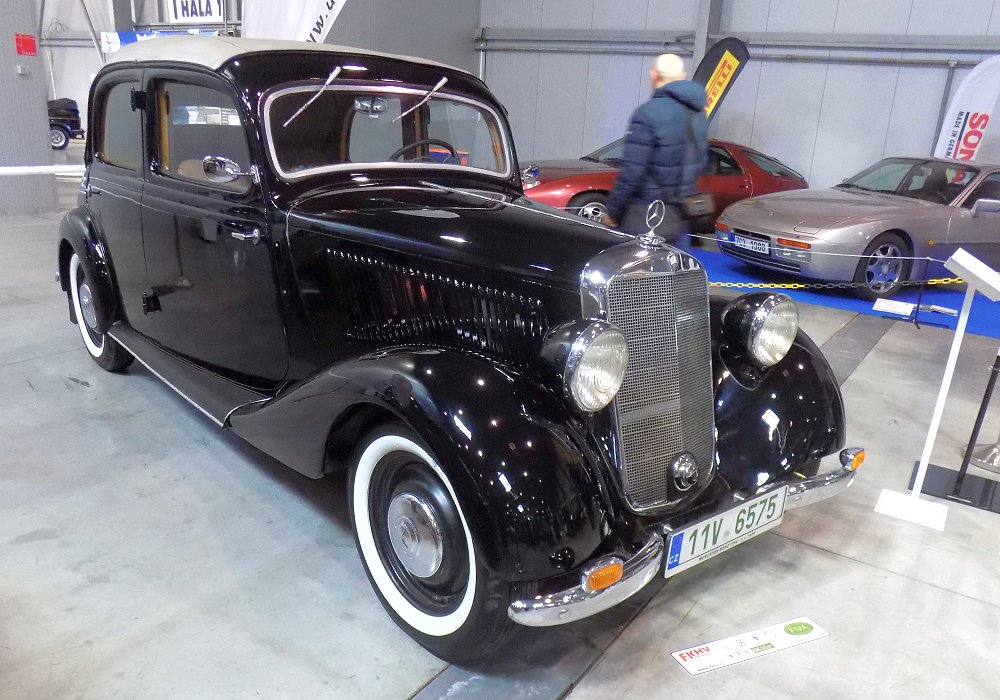
Mercedes-Benz 170 V Cabrio-Limousine

Mercedes-Benz 170 V Cabrio-Limousine

The Mercedes-Benz 170 V Cabrio-Limousine was one of the most attractive and versatile body styles offered on the 170 V chassis, blending the practicality of a closed saloon with the open-air pleasure of a cabriolet. Introduced alongside the main 170